
Much to our chagrin, families often express dread towards coming to see the dentist — usually out of fear of hearing the words: "They have cavities!"
If there's one thing we hope parents take away from a visit to the pediatric dentist office, it's this: despite the understandable anxiety, early detection means more preventive options and less invasive treatment. And dental cavities are actually the most common chronic disease of childhood — so if your child has one, you're far from alone.
In this guide, we answer the most common questions we hear from parents about baby teeth cavities — what causes them, and how to prevent them.
"Can baby teeth get cavities?"
Yes. Baby teeth, much like adult teeth, have the same biological structure that is subject to cavity development. Baby teeth are actually even more vulnerable to cavity development than adult teeth because they have a thinner outer protective layer — the enamel.
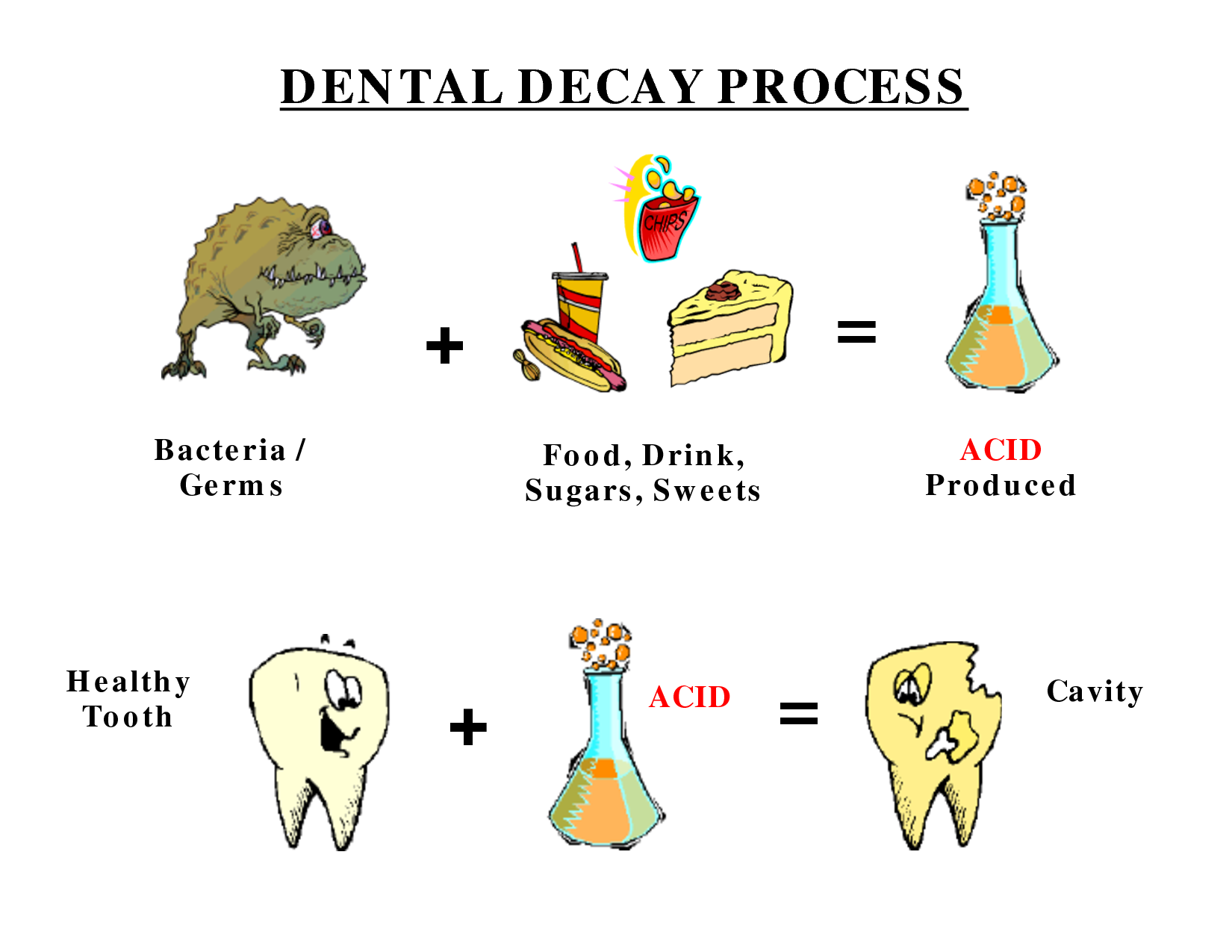
Cavities happen when bacteria in the mouth feed on sugars and starches from food or drinks, producing acid as a byproduct. That acid attacks the tooth's enamel, softening and eventually breaking it down — this is what forms a cavity.
"Do cavities in baby teeth matter if they're just going to fall out anyway?"
Yes — baby teeth matter far more than their "temporary" status suggests. A few reasons why:
- Left untreated, cavities can progress, and can cause pain and infection. Untreated decay doesn't stay contained — it can progress deeper into the tooth layers into the nerve. This can cause abscesses, and lead to infections that are painful and sometimes require emergency treatment.
- Baby teeth hold space for adult teeth. Baby teeth act as critical placeholders for when adult (permanent) teeth are ready to come in. They also serve important functions in chewing, speech, and development.
- The last baby teeth don't fall out until around 10-12 years old. The baby molars aren't replaced by adult teeth until around ages 10-12 years old. So while "it'll fall out eventually" is certainly true, there are still years of potentially compromised teeth if cavities are left untreated.
"But I don't give my child any sweets. How can they have cavities?"
Cavities aren't just about candy — they're about any fermentable carbohydrate, and a lot of "healthy" or savory foods qualify without realizing it! A few common culprits:
- Starches count too. Crackers/goldfish, bread, pasta, and cereal break down into sugars as soon as they hit saliva, and many of them are sticky enough to cling to teeth far longer than candy does.
- "Healthy" snacks can be sneaky. Dried fruit, raisins, and granola bars are often stickier and more concentrated in sugar expected — and they're frequently used as easy, better-for-you snacks throughout the day.
- Milk contains natural sugar. Lactose in milk can still fuel acid production, especially with frequent or overnight feeding.
"How do we prevent cavities in their teeth?"
- Start oral hygiene as soon as the first tooth erupts. Brushing and/or wiping the teeth help to reduce the incidence of cavities.
- Limit grazing and sipping throughout the day. Try to keep sugary or starchy foods/drinks to mealtimes rather than constant snacking, so teeth get breaks to recover between acid attacks.
- Avoid bottles or nursing to sleep once teeth erupt (or clean teeth afterward if that's part of your routine). Milk pooling on teeth overnight, when saliva production drops, is one of the higher-risk exposures.
- Water between meals. It's the only drink that's safe to sip freely without contributing to acid attacks.
- Watch for sneaky sources. Dried fruit, crackers, and other sticky or starchy snacks can be just as cavity-promoting as candy.
"We don't use fluoride toothpaste because our child doesn't know how to spit yet"
This is one of the most common (and understandable) hesitations parents have — but current guidance from the American Academy of Pediatric Dentistry and the American Academy of Pediatrics actually recommends fluoride toothpaste from the moment the first tooth erupts. The key is using the right amount!
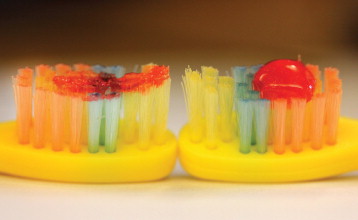
- Under age 3: Use a smear or rice grain size of fluoride toothpaste — an amount small enough that swallowing it isn't a safety concern.
- Ages 3 and up (once they can spit): Increase to a "pea-sized" amount.
- Why it's still recommended even with swallowing: Fluoride works both topically (strengthening enamel on contact) and, at these tiny amounts, doesn't pose a meaningful risk of fluorosis or toxicity. The amount in a rice-grain smear used twice daily is well within safe limits even if fully swallowed each time.
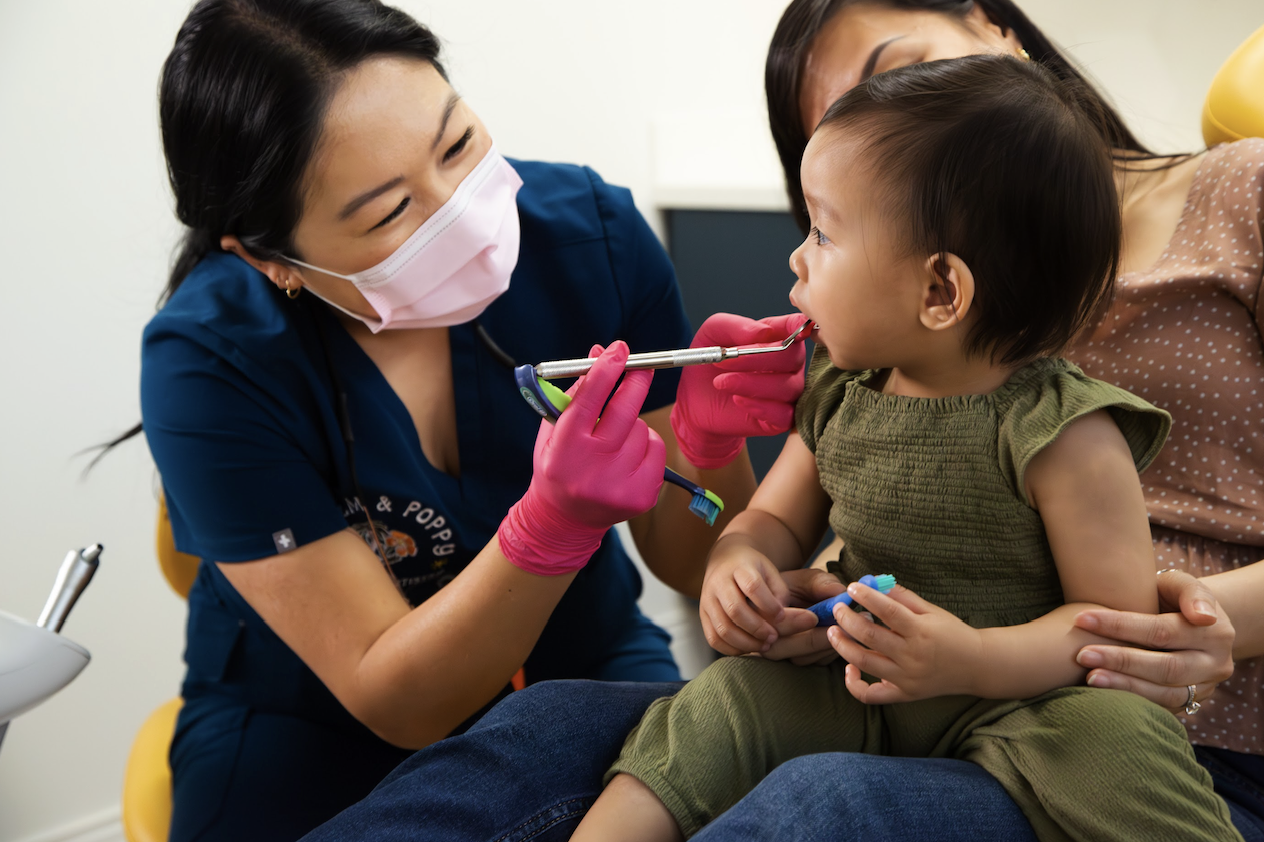
At Palm & Poppy Pediatric Dentistry, our board-certified pediatric dentists uphold the recommendations made by the American Academy of Pediatric Dentistry. We encourage families to bring their child in by their first birthday for their first dental visit to help start building a lifetime of good oral health.
Resources:
Sources:
https://www.aapd.org/resources/parent/faq/
https://www.cdc.gov/school-health-conditions/chronic/oral-health.html
https://www.nidcr.nih.gov/health-info/tooth-decay/more-info/tooth-decay-process
https://www.aapd.org/globalassets/media/policies_guidelines/p_fluorideuse.pdf
.jpg)
Welcome to Palm & Poppy Pediatric Dentistry
At Palm & Poppy, we've reimagined the pediatric dental experience. Our modern, eco-friendly practice is designed to be a welcoming space for both children and parents. We've invested in state-of-the-art technology that not only enhances patient care but also minimizes our environmental impact.